Main navigation
The UV Flexo shift is here!
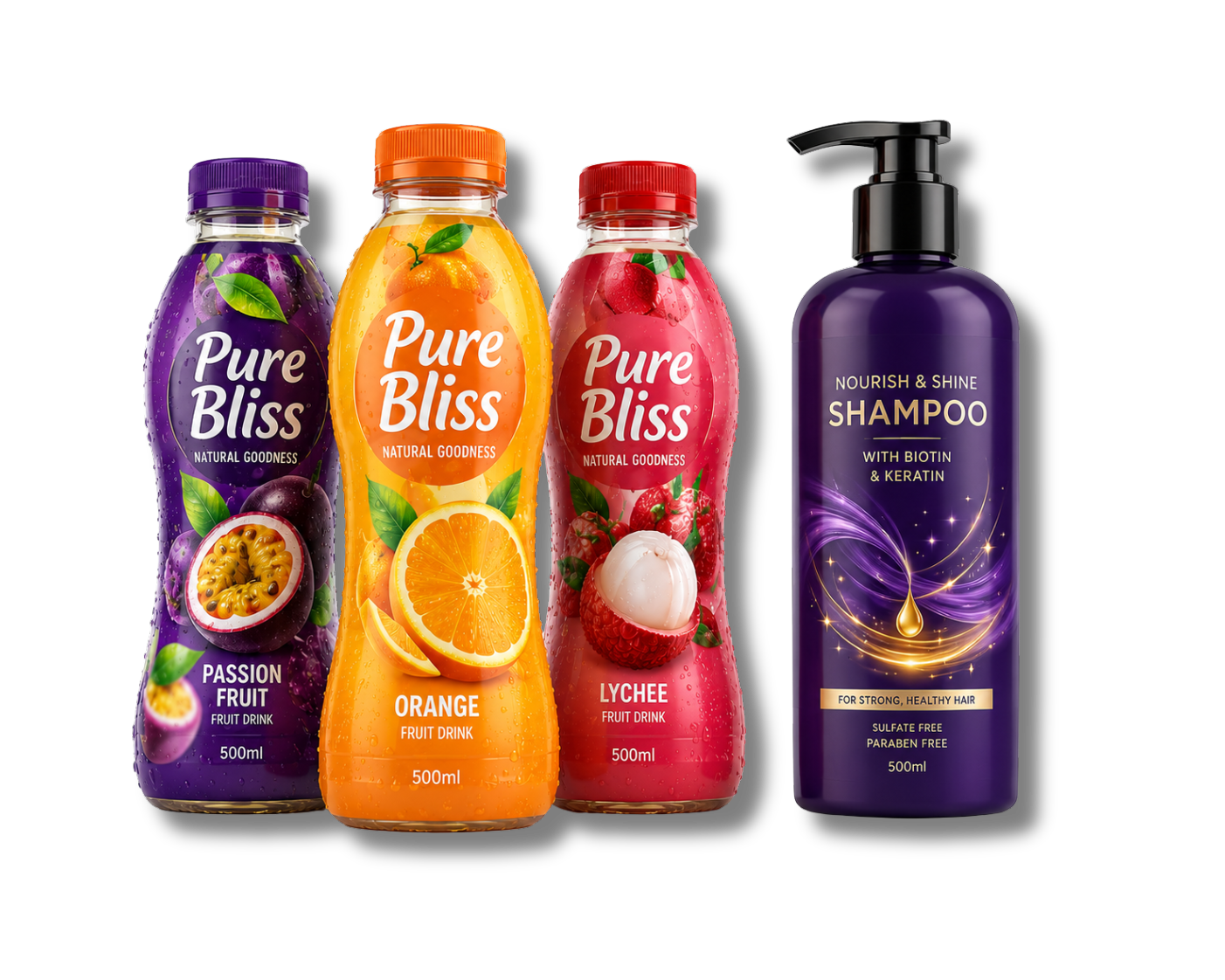
Two things are happening at the same time in the narrow-web and UV Flexo printing industries, and both are accelerating.
The first is a technology shift. Mercury-based UV curing systems which have been the industry standard for decades are being replaced by UV LED curing at a pace that surprised most forecasters.
The second is a compliance shift. India's food safety packaging regulations are tightening, and multinationals operating in India are raising their internal ink standards faster than domestic regulations require. For converters, brand owners, and press operators, both shifts are arriving on the production floor at the same time
What "UV to LED" Actually Means for Your Press Room?
This shift is not just about changing a lamp. The chemistry is different, and that difference has real consequences for production decisions.
Mercury UV lamps emit a broad range of ultraviolet wavelengths. Standard UV inks have been built for this broad output for decades. UV LED lamps, by contrast, emit a narrow, single-peak light typically at 385 nm or 395 nm. This creates a one-way compatibility that every converter planning a transition needs to understand.
Inks formulated for UV LED can cure under mercury UV lamps, because mercury's broad output includes the wavelengths that inks need. Standard mercury UV inks cannot cure under LED lamps. The narrow LED emission does not carry sufficient energy at the wavelengths those inks require, so the ink stays wet.
This asymmetry has a direct working capital implication. A converter transitioning one press unit at a time, keeping a few mercury stations while adding LED stations, cannot run existing UV inks on both. They either maintain two separate ink inventories or they adopt a dual-cure formulation designed to respond to both spectra. Dual-cure is the commercially sensible path for any managed, phased transition.
The operational advantages of LED are well established by now. Compared to mercury systems, LED delivers up to 80% lower energy consumption, lamp life exceeding 50,000 hours against 1,000–2,000 hours for mercury bulbs, and a reduction in press maintenance time of 50–75%. UV LED systems generate substantially lower heat than conventional mercury UV lamps, making them highly suitable for heat-sensitive films and shrink substrates.
Additional advantages of UV LED systems include no ozone generation, instant ON/OFF capability, reduced idle energy loss, and stable curing performance throughout lamp life.
India's Compliance Landscape: Compliance Is Not a Constraint — It Is a Competitive Position.
The rules around food packaging inks are tightening in India and globally and the converters who treat this as a business opportunity rather than a paperwork burden are the ones pulling ahead.
In India, the Food Safety and Standards (Packaging) Regulations, enforced by FSSAI, require printing inks used on food packages to conform to the BIS Standard IS: 15495. Certification from an NABL-accredited laboratory is mandatory for any material in direct contact with food. The 2025 revision tightened this further, introducing stricter traceability requirements and migration limits for recycled materials. Globally, frameworks like the German Ink Ordinance, EuPIA Exclusion Policy, and the revised Swiss Ink Ordinance are raising the bar on what qualifies as a safe, approved ink formulation and these are not staying European for long. Multinationals like Nestlé, Unilever, and Procter & Gamble already apply their global packaging ink standards in every market they operate in, including India.
What this means in practice is that Indian and global compliance are no longer two separate conversations. They are one. A converter meeting only the domestic baseline risks is being locked out of supply contracts with brands that require more. A converter already running foodsafe, low-migration UV flexo ink systems finds those doors open.
The edge is real. Compliant ink systems are not just about avoiding a recall or passing an audit. They are the qualification criteria for the fastest-growing segment of the Indian packaging market — multinational food, pharma, and personal care brands that will not compromise on what goes into their supply chain. The converters building compliance capability now, before it becomes mandatory, are not over-investing. They are securing their position in a market tier that competitors without compliant systems simply cannot enter
What Different Stakeholders Are Managing Right Now?

Converters and label printers are navigating pressure from several directions simultaneously. Achieving a consistent cure at high production speeds is one challenge. Managing ink adhesion on difficult substrates polyethylene, BOPP, paper-based, coated polyesters — is another. The most immediately practical challenge for many is the transition itself: how do you manage a press changeover from mercury UV to LED without writing off ink stock, disrupting active production, or creating a period where two incompatible systems are running in parallel?
Brand owners in the food, pharmaceutical, and personal care sectors share two overlapping concerns. The regulatory concern is maintaining valid compliance documentation — Declaration of Conformity, migration test records, and supply chain traceability across markets with different standards. The reputational concern is harder to quantify but more consequential: a food safety issue traced back to packaging ink is not just a recall cost. It is a brand event. Setoff migration, where ink from the printed outer side of a wound reel transfers to the reverse side during storage and comes into proximity with food, is a live risk that requires management at the ink formulation level, not just at the press.
Press operators and production managers deal daily with the practical costs of mercury lamp maintenance: ozone extraction systems, reflector cleaning schedules, output drift as lamps age past 800 hours, and the production inconsistency that comes when lamp intensity varies run to run. The shift to LED resolves most of these. It also introduces new process parameters — particularly around cure dose at varying line speeds and ink behaviour at lower press temperatures that require updated operating procedures.
SME converters, which make up a significant share of India's narrow web printing base, carry all of the above challenges with smaller internal teams. Unlike large converters with in-house compliance and technical functions, smaller operations depend heavily on their ink supplier for formulation guidance, press troubleshooting, and documentation support. That dependency makes the technical service capability of an ink supplier as important as the product range itself.
What Good Ink Partnerships Actually Look Like in This Market?
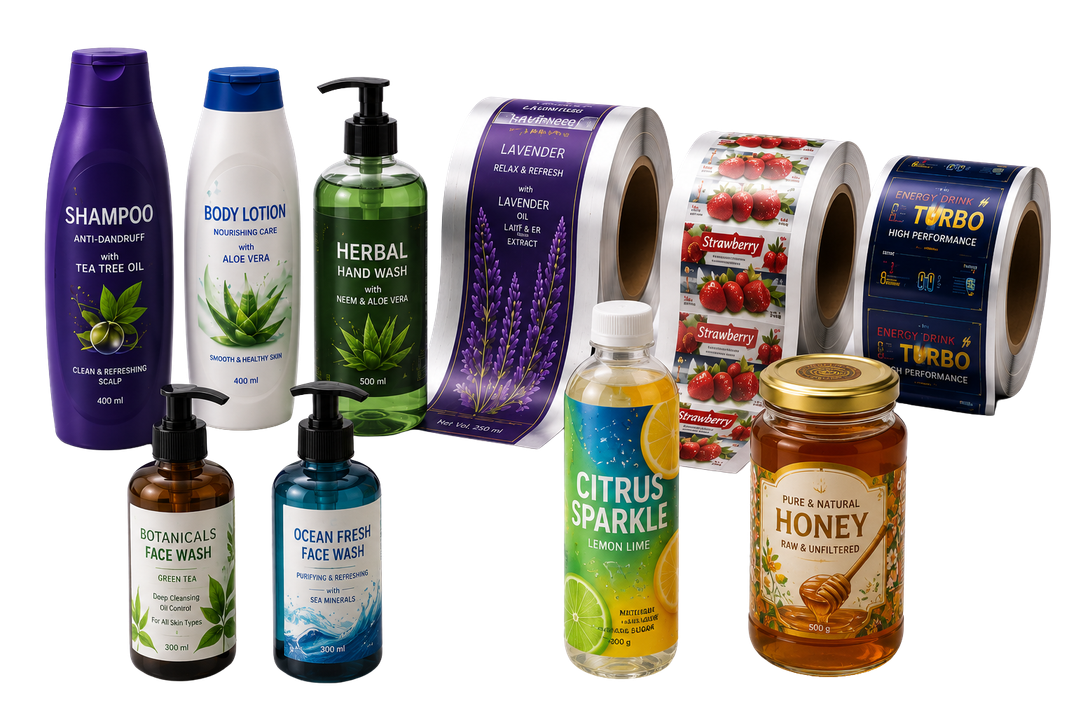
Most supplier content covers compliance and LED economics at a summary level. What the market consistently lacks is the more practical, press-room-level guidance: how ink viscosity behaves in anilox rolls at the lower operating temperatures of LED systems, how cure dose requirements change with line speed, and how to manage a phased transition without operational disruption.
There is also very little content built for India's fastestgrowing narrow web applications shrink sleeves for beverages, wrap-around labels for FMCG, and flexible pouches for food and personal care. Each of these has specific ink performance requirements that are not addressed in generic global content.
DIC India's Flexo UV ink and Narrow web solutions portfolio is built around the specific requirements of converters managing this transition. The Solarwave UV LED range is formulated for dual-cure it cures under both UV LED lamps and standard mercury vapour lamps, which means a converter transitioning press units one at a time can run a single ink inventory without disruption. The SolarFlex FSP LMLO and Rayoflex LMLO UV ranges are purpose-built for food packaging compliance — combining low-migration chemistry with the print quality and scratch resistance that food-grade work demands. The Slalom Shrink range is designed for shrink label printing, delivering dense white coverage and deep blacks on shrinkable materials where ink performance through the heat-shrink process is the key challenge.
Where the Market Is Heading?
Three forces will shape India's narrow-web and UV flexo ink markets over the next three to five years.
Mercury systems will become progressively harder and more expensive to maintain. Global phase-out enforcement is advancing, and every converter running mercury UV exclusively is carrying a transition cost that grows each year it is deferred.
Regulatory frameworks will continue to tighten and become more specific. The 2025 revision is a signal, not an endpoint. Converters who move to IS: 15495- compliant, low-migration ink systems before formal enforcement intensifies are positioning themselves for the supply contracts particularly with multinationals that will define the growth segment of Indian packaging over the next decade.
The range of substrates and applications that narrow web converters are being asked to print on is expanding faster than most ink portfolios are built to handle. Shrink sleeves, flexible pouches, bio-based films, and recyclable mono-material structures each behave differently under UV LED curing and brand owners are simultaneously driving packaging innovation and raising their sustainability and safety requirements. Hybrid presses combining digital print heads with UV flexo stations are adding another dimension to this, demanding ink systems that perform consistently across both platforms without compromise. The converters with ink partners who can move with them across substrates, applications, and press configurations will hold the relationships. Those running on legacy formulations and single-platform thinking will find the gap widening with every new brief that lands on their desk.
The Question Worth Asking.
The transition in UV flexo and narrow web printing is not a future discussion. It is a present one. The decisions being made now on ink systems, press investment, and supplier relationships — will determine competitive positioning for the next five years.
The converters who move first are not taking a risk. They are removing one. Every year a mercury-dependent press stays unchanged, the cost of eventual transition compounds — in deferred capital, in ink inventory exposure, in the growing gap between what compliant brands require and what the press room can deliver. The window for a managed, planned transition is open. It does not stay open indefinitely
Ask whether your current UV flexo ink range meets IS: 15495 and is tested to NABL-accredited migration standards. Ask whether your compliance documentation covers set-off migration risk, not just direct-contact risk. Ask whether your ink inventory can withstand a unit-by-unit transition to an LED press without write-off. Ask whether your supplier can provide applicationspecific guidance for your substrate and press configuration not just a product data sheet.
Leading this transition does not require doing everything at once. It requires making the right decision at each investment point on the next press unit, on the next ink specification, on the next supplier conversation so that the cumulative effect is a production capability that opens doors rather than closes them.
The transition is already underway. The only question left is whether you are leading it or responding to it.
Recent Blog