Main navigation
From the CEO’s Desk: The Future of Packaging in 2026
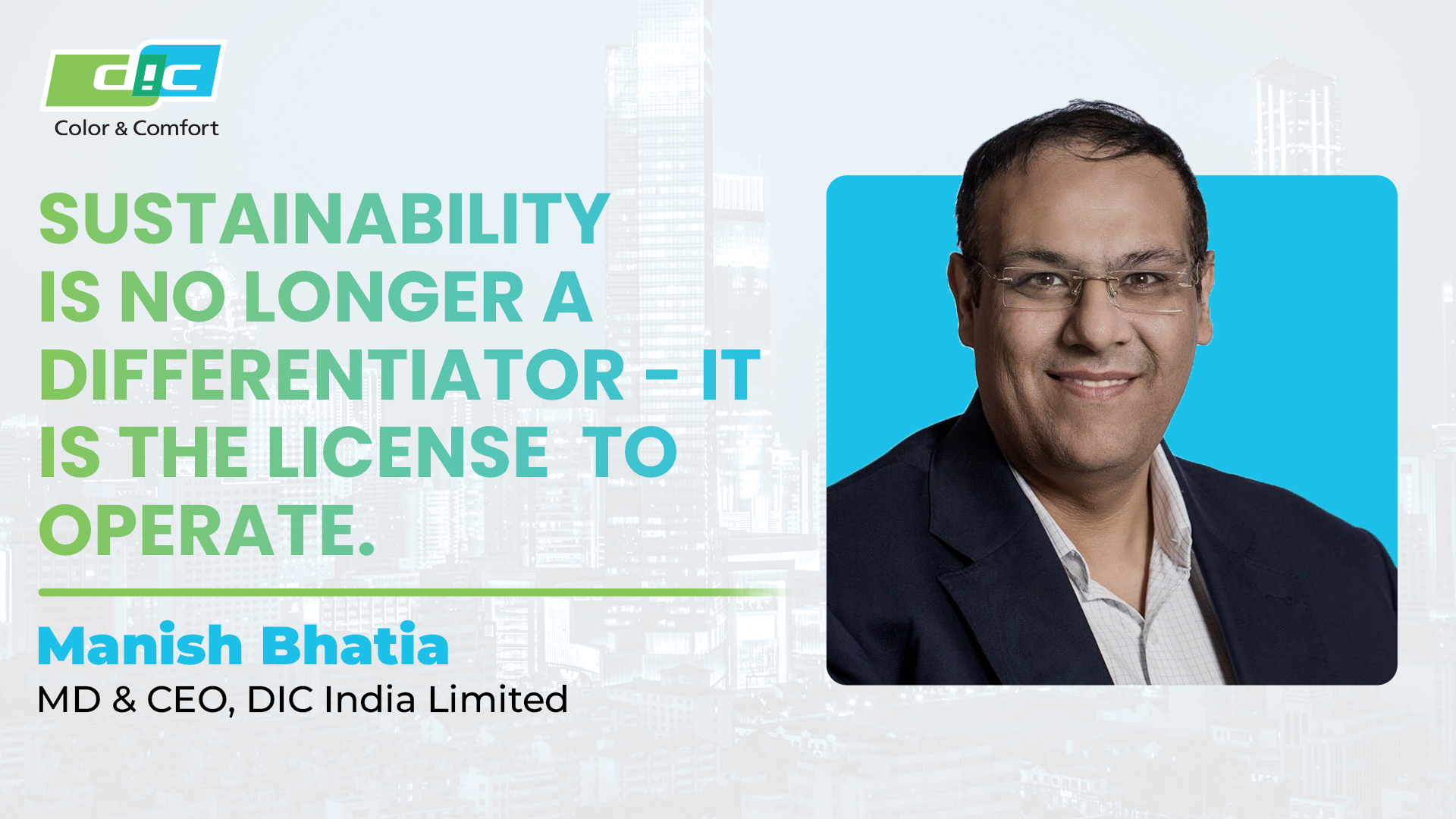
Packaging is entering one of the most transformative phases in its history. What was once seen as a functional necessity has now become a strategic differentiator - shaping sustainability goals, brand experience, compliance readiness, and supply-chain intelligence.
As we move toward 2026, the Indian packaging ecosystem will not just evolve - it will accelerate. With India projected to become a USD 130-140 billion packaging economy by 2030 (FICCI/Assocham estimates) and global sustainability regulations reshaping material and design decisions, the industry is at an important inflection point.
At DIC India, based on market signals, brand conversations, regulatory frameworks, and innovation momentum, we see six shifts that will define the next era of packaging.
1. Sustainability Becomes Non-Negotiable - The New Operating License
Sustainability has shifted from a brand differentiator to a compliance-driven requirement. Global frameworks like PPWR (EU), EPR mandates, and India’s Plastic Waste Rules are pushing brands toward mono-material, recyclable, compostable, and low-migration packaging.
Consumer expectations reflect this shift - according to NielsenIQ’s global sustainability research, more than 90% of shoppers say sustainability is important when choosing a brand today, and products making sustainability-related claims have shown stronger engagement than those without. Additional industry data suggests that a large portion of consumers now choose products based on packaging sustainability and are willing to switch brands if environmental commitments are unclear.
For DIC India, this means accelerating innovation in:
- Bio-based resins
- Low-VOC and low-migration inks
- Barrier coatings that maintain functionality while enabling recyclability
2. Smart & Connected Packaging Goes Mainstream
By 2026, packaging will increasingly act as a digital interface, bridging brands and consumers.
Technologies like QR-enabled traceability, freshness indicators, NFC authentication, and tamper-evident printing are already scaling in pharma, export FMCG, and high-value categories.
With India expanding food exports, transparency and traceability will become essential - not optional.
The future of packaging is connected - and intelligent.
3. Compliance Evolves from Obligation to Differentiator
Regulation will continue to tighten.
Food-grade compliance, migration limits, chemical restrictions, and recyclability mandates are reshaping how inks, coatings, substrates, and laminates are selected.
Brands will increasingly seek partners who can offer:
- Regulatory foresight
- Material and ink migration safety expertise
- Auditable compliance transparency
Compliance excellence will become a competitive edge - not merely a requirement.
4. Lightweight, Flexible, and Resource-Efficient Formats Rise
As e-commerce expands (set to exceed USD 200B in India by 2026), lightweight, durable, cost-efficient, and logistics-optimized packaging will surge.
We expect major growth in:
- Flexible mono-material laminates
- Refill systems
- Thin-film high-performance substrates
The challenge - and opportunity - is clear: To ensure reduced material usage without sacrificing safety, print quality, or barrier performance.
5. Minimal, Transparent & Honest Design Aesthetics Take Over
Across categories - especially food, beauty, and personal care - consumers are gravitating toward clean, minimalist, “truthful” packaging.
This shift is driven by:
- Ingredient consciousness
- Visual fatigue from cluttered branding
- A preference for authenticity over ornamentation
Expect to see:
- Neutral palettes
- Transparent windows
- Natural textures
- Natural texturesReduced layers and finishes
For us, it means developing coatings and inks that enable clarity, tactile experience, and minimalism - without compromising compliance, safety, or print durability.
6. Digital Printing Unlocks Personalization and Agility
Shorter production cycles, hyper-localized messaging, and trials for emerging markets are making digital print technology indispensable.
With a projected 15-18% CAGR i( Source)n digital packaging printing globally, brands increasingly seek:
- Region-specific messaging
- Limited editions
- SKU-level personalization
- Rapid prototyping
At DIC India, our ink innovation roadmap now includes systems designed to support agility, quick changeovers, and high-quality digital runs without performance trade-offs.
A Shared Responsibility - and a Shared Opportunity
These six shifts are not isolated trends. They are part of a larger movement redefining how packaging fits into the circular economy, technology infrastructure, and consumer experience.
The future of packaging will be shaped by collaboration, not competition - collaboration between converters, material innovators, brand owners, policymakers, and technology partners.
At DIC India, we are investing in research, partnerships, and innovation that align with a simple guiding principle: Packaging must protect the product, but it must also protect trust, safety, and the planet.
Looking Ahead
The next three years will challenge legacy thinking, reshape supply chains, and demand new levels of agility and intent.
But with challenge comes opportunity - to lead responsibly, innovate boldly, and build packaging solutions that reflect not just commercial needs, but societal expectations.
The question now is not whether the industry will change - but who will lead the change.
I look forward to engaging with you on this journey.
Manish Bhatia
Managing Director & CEO, DIC India
Recent Blog